24 de febrero de 2026 • Centoffer Editorial • 7 min de lectura
Smart Dispatch: How Centoffer's Geo-Tagging Gets Engineers to the Right Job Faster
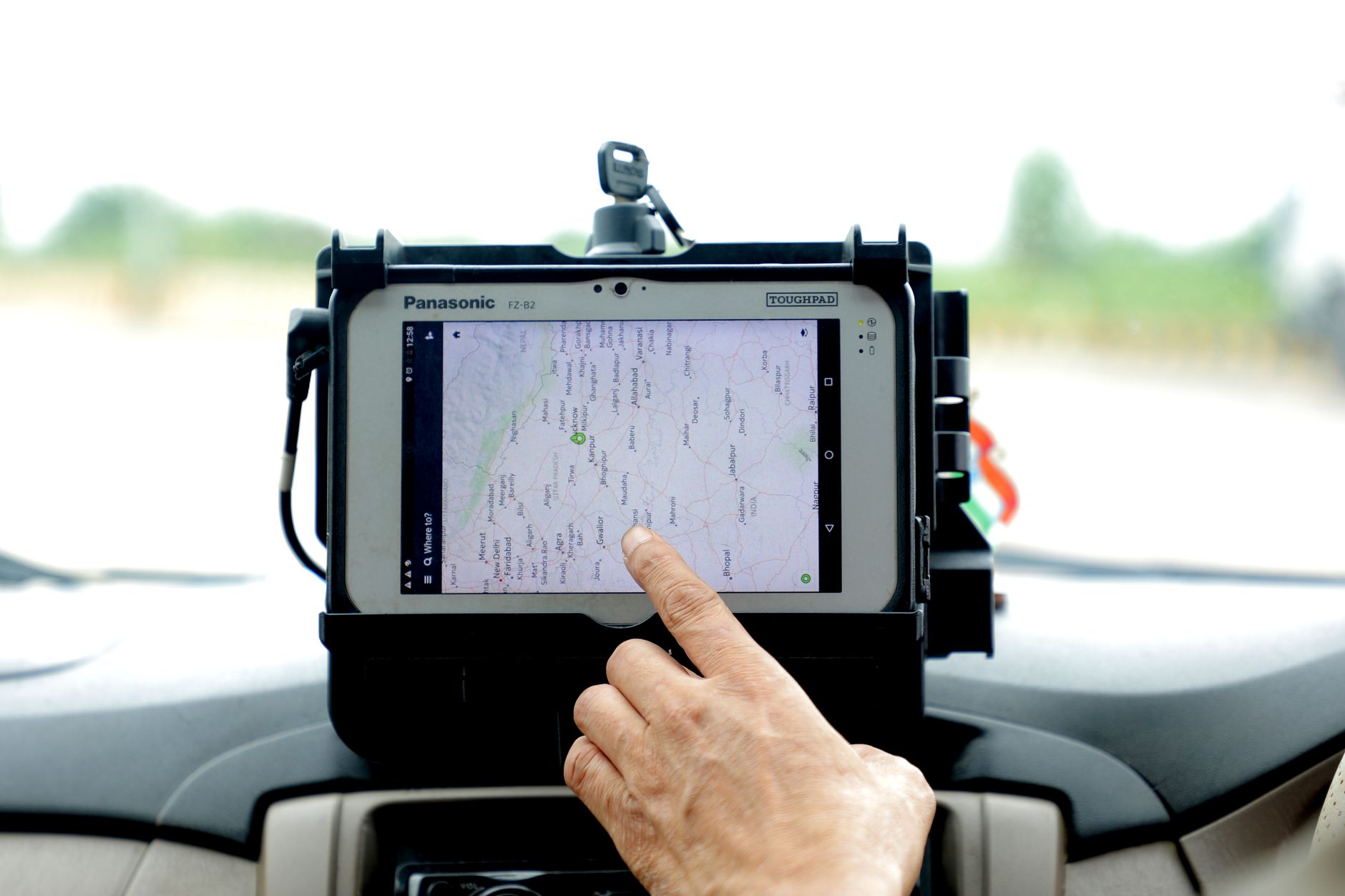
Smart Dispatch: How Centoffer’s Geo-Tagging Gets Engineers to the Right Job Faster
There’s a phrase that every field service operations manager knows too well: “Where is the engineer?”
It’s asked dozens of times per day — by clients calling helpdesks, by GSD coordinators chasing updates, by on-site supervisors whose SLA clock is ticking. It’s a question that shouldn’t need to be asked at all.
Centoffer’s geo-dispatch system was built to make this question obsolete.
The Problem with Traditional Field Service Dispatch
In traditional IT service delivery, an engineer is assigned a job through an email, a phone call, or a basic ticketing system. Once they’re dispatched, the information trail goes cold. The client doesn’t know if the engineer is 5 minutes away or 2 hours away. The GSD coordinator has to manually follow up. If there’s a traffic delay or an unexpected situation, the first person to know about it is usually the angry client calling to ask why their SLA has already been breached.
This model generates:
- Excessive inbound calls to helpdesks for status updates
- Late SLA escalations because nobody saw the delay coming
- Damaged client trust, even when the work itself is performed well
- Unnecessary coordinator overhead — hours spent each day on “where is X?” calls
How Centoffer’s Geo-Dispatch System Works
The Centoffer dispatch model has three integrated layers: AI matching, real-time geo-tracking, and automatic SLA monitoring. They work together from the moment a ticket is created to the moment the client signs off on completion.
Layer 1: AI Matching — The Right Engineer for the Job
When a ticket enters the Centoffer Global Service Desk (GSD), the dispatch engine evaluates every available engineer in the relevant geography against four criteria simultaneously:
-
Skill Tier: Does the engineer hold the required certifications and tier level for this job type? A Champion-tier data center engineer isn’t dispatched to a basic break-fix job, and a first-week Active engineer isn’t dispatched to a Fortune 500 IMAC rollout.
-
Service Type Match: Engineer profiles specify their service categories — Smart Hands, IMAC, Network & Cabling, Break-Fix, Remote Hands, IT Asset Management, Hardware Warranty, and others. Only engineers whose declared skills match the ticket type are eligible for dispatch.
-
Location Proximity: The system uses the engineer’s last known location (from their most recent app activity) to calculate proximity to the job site. Closer engineers are prioritised — but proximity alone doesn’t win the dispatch; it’s one factor in a weighted calculation.
-
Real-Time Availability: Engineers mark their availability status in the app — Available, Busy, Unavailable. The dispatch engine only routes jobs to engineers currently showing as Available. Engineers can update their status in real time throughout the day.
The algorithm produces a ranked shortlist. The top-ranked engineer receives a push notification via the mobile app.
Layer 2: Geo-Tagging — Live Location Sharing
When an engineer accepts a job via the app, geo-sharing activates automatically. This is opt-in at the account level (engineers consent during profile setup), and it operates only while a job is active — from acceptance to POD submission.
What geo-sharing enables:
-
Engineer navigation: The app provides integrated GPS routing to the job site. No need to switch apps or manually enter an address.
-
Client ETA visibility: The client’s customer portal updates in real time, showing the engineer’s position on a map with an estimated arrival time. This single feature eliminates the majority of “where is the engineer?” calls.
-
GSD monitoring: Centoffer’s Global Service Desk team can see live engineer positions across all active jobs simultaneously. If an engineer is running behind schedule, the GSD team receives an automatic alert before the SLA window closes — giving them time to proactively notify the client or arrange backup coverage.
-
Audit trail: Every geo-position update is logged with a timestamp. If there’s ever a dispute about arrival time, the data is unambiguous.
Layer 3: Automatic SLA Monitoring
Every job in the Centoffer system has three SLA checkpoints:
-
Arrival SLA: The engineer must arrive at the client site within the agreed window (typically 2–4 hours from job assignment for urgent tickets, or a specific scheduled time for planned work).
-
Completion SLA: The work must be completed and the Proof of Delivery submitted within the agreed duration.
-
POD Quality Check: POD photos must meet defined quality standards — correct subject, sufficient resolution, client signature captured. Rejected PODs reset the completion clock.
The system monitors all three checkpoints continuously. Engineers whose geo-position indicates they won’t meet Arrival SLA receive an in-app alert at the 15-minute warning point. GSD coordinators receive an escalation flag at the 10-minute warning point, enabling proactive client communication before the breach occurs.
The POD Capture Flow
Proof of Delivery is the trigger for the payment cycle. Here’s how it works in practice:
On-site, using the Centoffer mobile app:
- Engineer photographs the completed work (equipment installed/repaired, cable runs, server rack work, etc.)
- App validates photo quality (focus, subject coverage, lighting)
- Engineer captures client sign-off — either a digital signature on-screen or a confirmation code provided by the client
- Engineer submits completion report (optional notes, parts used, time on-site)
- POD is transmitted to the Centoffer GSD and to the client portal simultaneously
What happens after POD submission:
- Client receives an instant notification with the POD package attached
- SLA compliance is automatically calculated and logged
- If the client accepts the POD (most are auto-accepted within 30 minutes if no disputes are raised), the payout cycle begins immediately
- Engineer sees their payment status update in the app: Submitted → Approved → Processing → Paid
Real-Time Impact: The Numbers
Based on operational data from Centoffer’s Asia Pacific markets (2025):
- Average response time from job notification to engineer acceptance: 4.2 minutes
- SLA breach rate across all dispatched jobs: 2.1% (industry average for manual dispatch: 11–18%)
- “Where is the engineer?” inbound calls after geo-tracking deployment: reduced by 87%
- Client CSAT for jobs using geo-tracking: 4.6/5.0 average (vs. 3.9 for non-geo-tracked equivalents)
- Disputed PODs: less than 0.8% of all submitted PODs result in a quality dispute
For Engineers: What This Means in Practice
The geo-dispatch system is designed to reduce the coordination overhead that traditionally falls on the engineer — the back-and-forth calls, the manual status updates, the “did you submit your report?” follow-ups.
When everything runs through the app:
- You accept the job, navigate there, do the work, capture the POD, submit — done
- No phone calls to the client asking for their address
- No email chains with your coordinator
- No chasing your payout — the payment cycle starts the moment your POD is accepted
- No uncertainty about your SLA status — you see the countdown in your app throughout the job
For engineers who are building toward Elite or Champion tier, the geo-dispatch system also makes SLA compliance easier to achieve consistently — because you’re never guessing whether you’re running on time. The app tells you.
For Clients: What This Means in Practice
When an enterprise client deploys Centoffer for a network-wide IMAC rollout or a multi-site data center migration, they typically have dozens of individual tickets running simultaneously across multiple cities.
Centoffer’s geo-dispatch gives their project managers a live operations view:
- Which engineers are en route, and when they’ll arrive
- Which jobs are on track vs. at risk for SLA breach
- POD documentation available in real time for audit purposes
- Automatic escalation handling if any ticket falls outside parameters
This level of operational visibility is normally only available to companies with large in-house field service operations. Centoffer makes it available to any enterprise client using the platform — regardless of whether they have a single ticket or 500.
The Bigger Picture
Centoffer isn’t a jobs board. It’s a field service operating system — and geo-dispatch is the feature that makes the difference between “posting a job and hoping for the best” and “deploying a verified engineer with end-to-end visibility into their journey, performance, and payment”.
The engineers in the Centoffer network benefit because their time on the road is spent on work, not coordination. The clients benefit because their SLAs are protected, their project data is clean, and their vendor relationship is transparent. The GSD team benefits because they can manage dozens of concurrent dispatches without constant manual intervention.
That’s what “smart dispatch” actually means.